Self-Help for Endometriosis
This article offers a careful overview of endometriosis, common ways of coping with it, and reflective self-help tools for women who want to explore the emotional and inner dimensions of their experience alongside medical care.
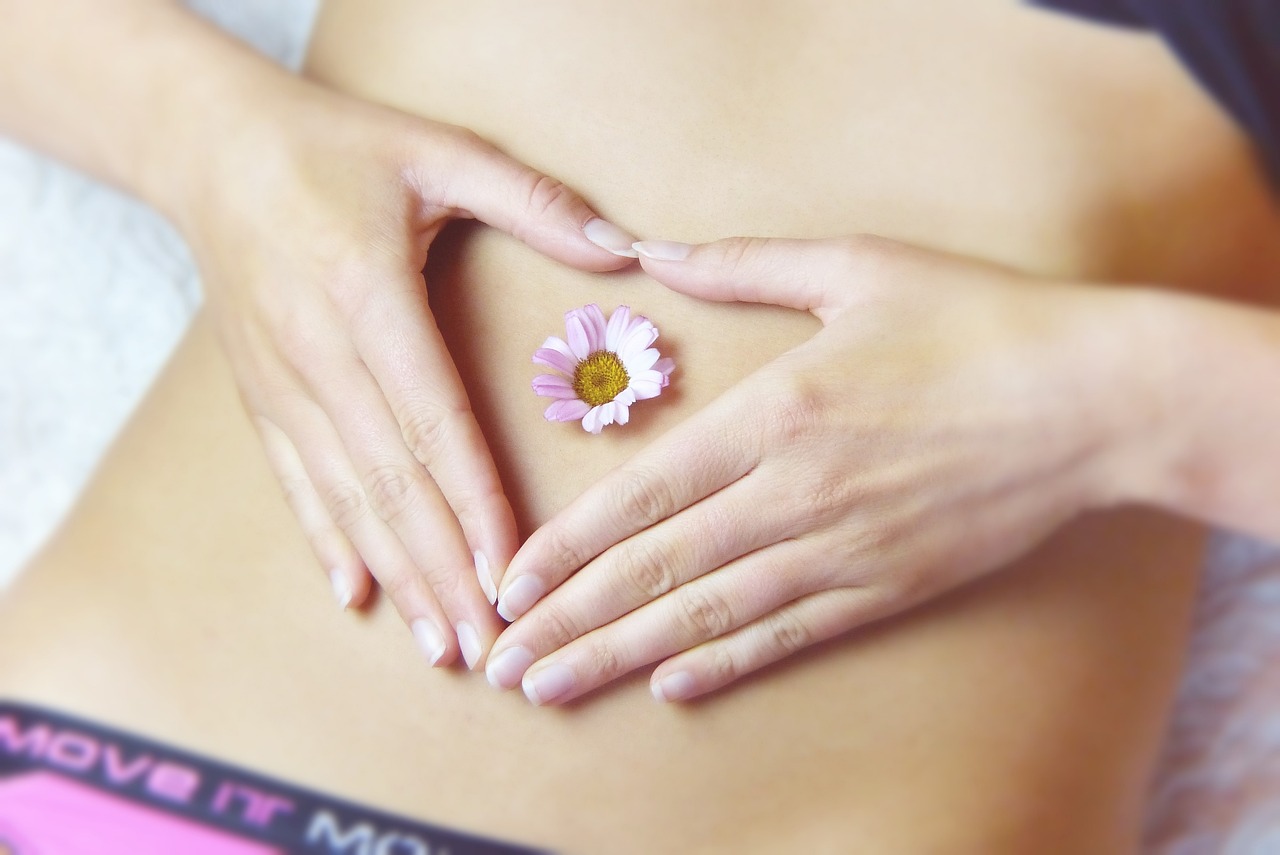
Endometriosis can be a painful and exhausting condition, and many women feel they are left to navigate it alone. Here you will find both practical background information about endometriosis and inner tools for self-help that may support your process.
These inner practices are not a substitute for medical diagnosis or treatment. They are offered as a way to listen more deeply to your body, your emotional world, and your inner guidance.
If you feel this may support someone you know, feel free to share it.
What is endometriosis?
Endometriosis is a gynecological condition that affects around 10% of women during their reproductive years. It can appear at different ages, though it is often diagnosed between the ages of 25 and 45.
In conventional medicine, endometriosis refers to tissue similar to the uterine lining growing outside the uterus.
This tissue responds to female hormones and behaves much like the uterine lining during the menstrual cycle: it thickens, breaks down, and may bleed. But unlike menstrual blood that leaves the body, this trapped blood can contribute to inflammation, lesions, cysts, adhesions, and significant pain.
Endometrial-like tissue may appear in different areas of the body, including:
- Reproductive organs: ovaries, fallopian tubes, uterus, cervix, and the peritoneum lining the abdominal cavity
- Other organs: the intestines, bladder, lungs, and in rare cases even the brain
What causes endometriosis according to conventional medicine?
The exact cause is still not fully known, but several theories are commonly discussed:
- Retrograde menstruation: endometrial cells move back through the fallopian tubes into the pelvic cavity and implant elsewhere
- Embryonic cell development: undeveloped embryonic cells later become endometrial-like tissue
- Immune system involvement: the immune system may not effectively clear abnormal tissue
- Genetic factors: research points to a possible link between certain genes and the risk of developing endometriosis
Symptoms of endometriosis
Symptoms vary from one woman to another and may include:
- Pain: severe menstrual pain, chronic pelvic pain, pain during intercourse, abdominal pain
- Irregular bleeding: heavy bleeding or bleeding between periods
- Digestive symptoms: constipation, diarrhea, bloating
- Chronic fatigue: ongoing weakness and exhaustion
- Difficulty conceiving: endometriosis may affect fertility
Diagnosis
Endometriosis can be difficult to diagnose. Evaluation usually draws on medical history, symptoms, physical examination, and additional testing such as:
- Ultrasound: to examine the pelvic organs
- Laparoscopy: a minimally invasive procedure that allows direct examination of the pelvic organs and tissue sampling if needed
- MRI: imaging that provides detailed pictures of the pelvis
Common treatments for endometriosis
Treatment depends on the severity of symptoms and the areas involved. Common approaches include:
- Medication: pain relief, hormonal treatment such as birth control pills or hormone-releasing intrauterine devices, and other medications according to the medical picture
- Surgery: removal of endometrial tissue and release of adhesions when needed
- Complementary support: physiotherapy, acupuncture, and individualized nutrition
Support resources in Israel
There are communities and organizations in Israel that offer support, information, and connection for women and girls living with endometriosis. Among them:
- Endometriosis Israel Association
- Endometriosis Sisters Israel
- Endometriosis, Fertility, Pregnancy and Motherhood
- Endometriosis Israel – Open Group
- Nationwide WhatsApp Communities
- Briya – Natural support for endometriosis and women’s health
- Anonymous sharing page of the Endometriosis Association
Understanding emotional conflict as a self-help tool
There are different ways to relate to endometriosis. From my own study and experience, I want to share inner tools that approach symptoms through consciousness and emotional inquiry.
Some of these ideas are influenced by approaches such as German New Medicine and Recall Healing, which view illness as connected to unresolved emotional conflict and as part of the body’s attempt to adapt or respond.
I offer this perspective as an invitation for reflection, not as a medical fact and not as a replacement for treatment.
According to these approaches, inner inquiry can help a woman explore what the condition may be expressing or holding. This often includes gently remembering what was happening in life before symptoms began or intensified, and asking what emotional experience may have been present at that time.
The underlying view is that the body is not working against us, but trying in its own way to respond to something deeply felt.
In these approaches, the body registers emotional conflict, and when the biological system cannot resolve it outwardly, it may express that unresolved tension through the body.
Not every emotional conflict becomes a physical condition. But a physical condition may sometimes point toward an unresolved emotional reality asking to be seen.
Endometriosis as part of the body’s attempt to heal
The perspective shared here may challenge you. If it does, there is no need to force anything. You are invited to listen to yourself and return to these words only if and when it feels right.
I share this with trust in each person’s capacity for self-healing, strengthening, and inner listening. At the same time, it is natural for resistance to arise in healing processes. Sometimes resistance is not a sign that something is wrong, but a sign that something meaningful is being touched.
Emotional themes that may be worth exploring
The following themes are offered as possibilities for reflection. They are not absolute explanations, and they are not meant to blame you for your condition.
Conflict around home and belonging
- Feeling unwanted in your home or in the family you grew up in
- Feeling that you do not really have a place
- Feeling, “I am not at home in my own home”
- A sense that your real home is somewhere else
- The experience of migration or separation from your homeland
- Feeling unable to bring a child into the home you are creating
- Feeling that home may not be a safe place for your future children
- Experiences from childhood of being raised away from home, for example with grandparents or outside the parental home
Relationship conflicts
- Difficulty in the relationship with mother
- A feeling that you should have been raised by a different mother
Loss-related conflicts
- Memory or trauma connected with adoption
- Past miscarriages
- Past abortions
What happens when you find a conflict?
One of my teachers, Dr. Gilbert Renaud, used to speak about the “aha moment” in this kind of inner healing work: the moment when something connects, and you suddenly recognize a link between what you have lived and what your body is expressing.
But the opposite can also happen. If something here angers you, stirs you, or feels deeply uncomfortable, that too can be meaningful. Sometimes what creates the condition also protects itself from being seen.
This is where observation becomes important.
Observation means looking without criticism or judgment. It means allowing yourself to ask: what might my body be trying to resolve here? That question alone can be a profound step in a healing process, and sometimes it is a great part of the process itself.
A simple inner practice for support
If you wish, sit quietly and ask yourself:
- When did my symptoms begin, or when did they become stronger?
- What was happening in my emotional world around that time?
- Where do I feel lack of safety, belonging, or home?
- What loss have I not fully allowed myself to feel?
- What in me is asking to be seen with more honesty and compassion?
You do not need to force an answer. Sometimes the first step is simply to ask with sincerity and listen.
If you want support in going through this process together, you are welcome to reach out.