
Birth Processing
Support for processing a difficult or traumatic birth through body-based emotional work, so the experience can be felt, understood, and gradually released.
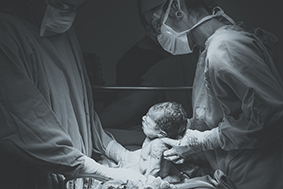
Support for processing a difficult or traumatic birth
Birth processing is a way to work with your birth experience through the body, with attention to the emotional and physical imprint of what you went through.
The purpose of this process is to support you in meeting and processing what you felt during the birth, and what you may still be carrying now — whether in the subconscious, in the body, or in your emotional world.
A difficult or traumatic birth can happen to any woman. If you feel that your birth was traumatic, or simply very hard, it can still be helpful to process it no matter how much time has passed. This kind of work can bring meaningful relief in the present and support your quality of life now.
Why process a birth experience
Women who have gone through a difficult or traumatic birth often feel that it left an emotional mark that made it hard to return to life as usual.
Some describe struggling in the first months of motherhood, crying often, feeling anger, distance from the baby, increased worry, or difficulty becoming pregnant again or carrying a later pregnancy.
After birth processing, many women describe a sense of emotional release and a physical, emotional, and spiritual easing. Some also feel more readiness and trust in relation to a future pregnancy.
Possible effects of a difficult or traumatic birth
A traumatic birth can continue to affect a woman long afterward. Possible responses may include:
- difficulty functioning
- intrusive thoughts
- fear and anxiety
- sleep disturbances
- a sense of losing control
- anger
- flashbacks or recurring mental images
- fear of another pregnancy or birth
- physical pain
- dread
- frustration
- shame
- depression
- loss of appetite or increased appetite
These experiences can make it hard to return to daily life and may also affect the bond with the baby. For some women, they can also make the thought of another pregnancy feel overwhelming.
It is important to remember: a traumatic birth can happen to anyone. Whether the story seems simple or complex from the outside, the mother is not to blame.
What kind of approach is helpful for birth processing
I recommend a focused process that helps release emotional and energetic charge in a careful, embodied way.
For this work I use Focusing, together with additional methods from the somatic and emotional fields as needed. I have experience supporting people through different kinds of trauma, including birth-related experiences.
When birth has been traumatic, its impact can stay with us — in daily life, in later pregnancies, and in the way we move through the world.
Processing a birth experience is important, and Focusing offers a deep and responsive way to meet it. When needed, I also integrate other tools and techniques that can support the process.
The purpose of birth processing
The aim of this work is to help a woman loosen the physical, emotional, and mental effects left by the birth, meet the trauma gently, and clear some of the residue it created.
It can support a return to daily life, create space for growth through a difficult experience, and help a future pregnancy feel less charged with fear.
Some of the benefits of processing a traumatic birth experience
- It can help you understand your experience more clearly and give words to what you feel.
- It can support you in developing healthier ways to cope with the aftermath of trauma.
- It may reduce ongoing distress such as anxiety, depression, or post-traumatic symptoms.
- It can improve quality of life.
- It can help release the stuckness that sometimes forms after a difficult birth.
Factors that can contribute to a difficult birth
According to the CDC, about 15% of births in the United States involve significant difficulty. A difficult birth may be related to factors such as:
- premature rupture of membranes
- multiple pregnancy
- preterm birth
- pregnancy complications such as gestational diabetes or high blood pressure
- cesarean birth
Difficult birth and its possible consequences
A difficult birth can involve medical, physical, and emotional complications, and its effects may be visible or hidden. It can affect the woman, the baby, and the family as a whole.
Possible complications may include:
- postpartum bleeding
- infection
- vaginal or anal tearing
- injury to the bladder or bowel
- postpartum depression
- post-traumatic symptoms
Difficult births are more common in high-risk pregnancies, including later maternal age, chronic illness, or a history of difficult births.
Who is birth processing for
Birth processing is for any woman who feels she needs emotional support in digesting what she went through.
Even women who describe their birth as good may still feel that the experience was a great deal to absorb, and that they need help making room for everything it stirred. In these cases, birth processing can free inner space for other equally significant stages, such as early parenthood and adjusting to a new family structure.
For women who went through a difficult or traumatic birth, this work can ease distress across many areas of life by helping process what remains unresolved and supporting greater wellbeing and functioning.
How long does birth processing take?
A birth processing session usually lasts about an hour.
Because this work moves through the body, the process does not rely only on the memories held in the mind, but also on sensory memory — the places where difficulty or trauma may still be held as an imprint in the body.
The body leads the session. Because this can be a powerful experience, the work is held within a clear time boundary.
In rare cases, if it feels right to continue the process, an additional session is possible.
How soon after birth is it good to come?
In general, it can be helpful to process trauma closer to the time it happened, before the memory becomes more deeply fixed. That can sometimes make release easier.
At the same time, it is absolutely possible to do this work years later and still feel that something opens, shifts, and is released.
It is best to come when you feel ready.
The choice is yours. When you feel that the time is right for you — in terms of your inner resources and capacity — or when the level of distress is already affecting daily functioning, that may be the right time to begin.
In closing
If you have gone through a difficult or traumatic birth, I would be glad to support you in processing what you experienced and gently releasing what still remains with you.
If someone comes to mind who may need this kind of support, feel free to share this page with her.